


Starting a Successful Restaurant Business
Starting a successful restaurant is a dream shared by many. The idea of creating a place where people gather, celebrate, and enjoy great food has a powerful pull. But behind every busy dining room and glowing review is a mountain of preparation, long hours, and smart decisions made long before the first customer walks through the door.
Restaurants are not just about cooking. They are businesses—complex, fast-moving, and demanding. Success rarely comes from passion alone. It comes from preparation, understanding the market, and building a strong foundation before the first plate is served.
If you’re serious about opening your own restaurant, the steps you take before launch will determine whether your idea thrives or struggles. Here’s what every future restaurant owner should know.
Learn the Business from the Inside First
Before investing a single pound into your own restaurant, spend time working in one that operates similarly to the one you envision. This step is often overlooked, but it may be the most valuable experience you can gain.
Working in a restaurant exposes you to the reality behind the scenes. You’ll see how menus are developed, how staff is managed, how inventory is controlled, and how payroll is handled. You’ll learn how marketing actually works in the hospitality industry and how restaurants attract and retain customers.
Even volunteering or working part-time can give you insight into:
- Kitchen operations
- Food cost control
- Staffing challenges
- Customer service expectations
- Marketing and promotions
- Daily financial pressures
Many successful restaurateurs started their journey by washing dishes, serving tables, or assisting in the kitchen. Those early experiences build an understanding of how the entire operation fits together.
Running a restaurant without this knowledge is like trying to captain a ship without ever stepping onto a boat.
Define Your Target Market
Not every restaurant is meant for everyone. One of the biggest mistakes new owners make is trying to appeal to too many people at once.
Instead, ask yourself a simple question: Who exactly is my restaurant for?
Your target market shapes nearly every decision you make—from the menu and pricing to the décor and location.
For example:
Teenagers and young adults
This group usually likes to eat at casual places where service is quick, food has strong flavours, and prices are low. They also care a lot about the atmosphere, music, and how a restaurant appears on social media.
Families
Restaurants that are good for families often serve comfort food that feels like home. They usually serve big portions, offer menus kids like, and create a relaxed, friendly atmosphere.
Professionals and business diners
Some customers like good ingredients, fast service, and a nice place for meetings or business lunches.
Older diners or retirees
This group usually likes a cosy and friendly place with calm service.
Knowing who your customers are from the start helps you make better choices later. It affects your menu, how you decorate your restaurant, how you promote it, and even when you open.
A restaurant made for a specific group of people usually does better than one that tries to please everyone.
Choose a Clear Food Concept and Service Style
Every successful restaurant has a strong identity that inspires confidence. Customers should quickly understand what kind of experience they can expect, helping you feel assured in your concept’s clarity.
Your concept is the heart of your business. It combines your food style, service approach, and overall atmosphere.
Most restaurants fall into one of three broad service styles, giving you clear options to help you feel more in control of your concept development:
Fast-Casual or Fast Food
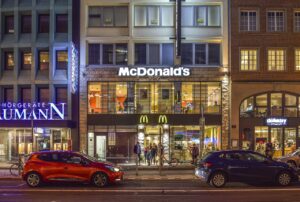
Places in this type of food service focus on providing fast meals that are easy to get and not too expensive. The menu usually includes popular fast-food items like tasty burgers, filling sandwiches, delicious hot dogs, and crunchy fries, along with other favourite takeaway foods. These restaurants want to serve delicious food quickly. These are designed for people who want to enjoy delicious meals without putting in much effort.
Key drivers of success in this sector include:
– Efficient Kitchen Processes: We make our kitchen work smoothly by organising tasks and using the best tools, which helps us cook meals faster.
– Serving Many Customers: We aim to serve a lot of people quickly, which helps us earn more money and keep things running smoothly.
Having a strong brand makes your restaurant unique and memorable, increasing the likelihood of customer return visits.
Smart Pricing: We set reasonable pricing to attract budget-conscious clients without compromising our earnings.
Mid-Scale Restaurants
Mid-scale restaurants are all about offering full, satisfying meals at prices people feel good about paying. They’re the places families head to for an easy dinner after a busy day, or where friends gather to catch up over a relaxed meal without worrying about the bill getting out of hand.
You’ll usually find table service, a menu with a good mix of options, and an atmosphere that feels welcoming and easygoing. The goal is simple—good food, fair prices, and a comfortable place where people can sit down, enjoy their meal, and feel they’ve received real value for their money.
Upscale or Fine Dining
Fine dining restaurants prioritise the use of premium, meticulously sourced ingredients while delivering exceptional service standards, all aimed at cultivating an extraordinary dining experience. Key characteristics that distinguish these establishments include:
Elegant atmosphere: Every detail of the décor is carefully chosen to create a refined and welcoming setting. From the lighting to the table settings, the goal is to make guests feel comfortable while adding a sense of occasion to the meal.
Skilled chefs: Fine dining kitchens are led by highly trained chefs who bring years of experience and creativity to their craft. Their proficiency enables them to precisely make meals while experimenting with various methods and flavors.
Thoughtfully designed menus: Menus are carefully planned to showcase distinctive dishes and balanced flavour combinations. Many fine dining restaurants focus on fresh, seasonal ingredients and often adapt their menus to reflect what is at its best throughout the year.
Higher prices: Eating at these establishments is typically more expensive. This demonstrates the caliber of the ingredients, the culinary expertise, the attention to detail, and the caliber of service that patrons enjoy during their stay.
In summary, upscale dining aims to create a memorable experience by focusing on details and a strong commitment to excellence.
Choosing your concept early can help you feel prepared and confident, ensuring that every part of your restaurant—from the menu to the interior design—aligns with your desired experience.
7 Unusual Strategies To Solve Your Restaurant Staff Shortages
Build a Strong Business Plan
A restaurant idea without a business plan is simply a wish.
A well-developed business plan forces you to think through every aspect of the operation before investing your money.
Your plan should include several key elements.
Restaurant Concept and Vision
Describe the type of restaurant you are creating. What makes it different? What experience will customers have?
Clarity here helps guide every decision that follows.
Financial Projections
Restaurants operate on tight margins. Detailed financial planning is essential.
Your projections should cover:
- Startup costs
- Monthly expenses
- Expected revenue
- Break-even analysis
- Cash flow projections
Menu and Pricing
Your menu must balance creativity with profitability. Each item should contribute to the financial health of the business.
Staffing Plan
Outline how many employees you will need and their roles. Consider kitchen staff, service staff, managers, and support workers.
Equipment and Supplies
List the major kitchen equipment, furniture, and technology required to run the restaurant efficiently.
Marketing and Advertising
Even great restaurants need marketing. Your plan should explain how you will attract customers during your launch and beyond.
Exit Strategy
While it may seem strange to think about leaving before you even start, having an exit strategy is smart business planning. It prepares you for future changes such as selling the business or expanding.

Create a Menu That Defines Your Restaurant
Your menu is far more than a simple list of dishes—it represents the personality and identity of your restaurant, helping your audience feel assured about your concept. It tells customers what kind of experience they can expect and plays a big role in shaping their first impression.
A well-crafted menu should match your restaurant’s concept, appeal to your target customers, and support your overall pricing strategy. When done right, it helps guide guests toward dishes they’ll enjoy while also keeping the business profitable.
Strong menus usually have a few important things in common:
- Clear focus
- A good balance of options
- Smart, profitable pricing
- Simple, easy-to-read design
It can be tempting to offer a long list of choices, but too many items often create problems. Understanding how to determine the optimal number of menu items for your restaurant type can help you streamline operations, reduce waste, and improve service speed.
Instead, concentrate on a smaller selection of dishes that your team can prepare consistently and well. Implementing regular testing and adjustments based on customer feedback and sales data ensures each dish remains profitable and appealing, strengthening your menu’s effectiveness.
A great menu does more than bring customers through the door—it gives them a reason to come back again and again, fostering loyalty and appreciation among your audience.
Choose the Right Location
Picking the right place for your restaurant is very important for its success. A good location can help you get more customers and make money. Here are some important things to think about when choosing the best spot for your restaurant:
- Foot Traffic: Having your restaurant where many people walk by can help more people see it and want to visit.
- Parking Availability: When customers can easily find parking nearby, they’re far more likely to visit your restaurant and return in the future. Convenient parking removes a common frustration and makes the dining experience smoother from the start.
- Nearby Businesses: Opening a restaurant near shops, offices, or entertainment venues can help bring in steady foot traffic. Areas with active businesses often attract a wider range of customers and can give your restaurant more visibility throughout the day.
- Demographics: Understanding the local population is essential. Knowing who lives and works in the area—their age groups, lifestyles, and spending habits—will help you design a menu, pricing, and atmosphere that truly fits the community. This helps ensure your food and service match what they like, so your restaurant appeals to the right audience.
- Accessibility: Ensuring your restaurant is easy to reach and has clear signage can give you peace of mind that customers will find and enjoy your place without frustration.
Even if your restaurant idea is great, it can still struggle if customers cannot find or access it easily. So, choosing the right place is a key step to succeeding in the busy restaurant world.
Restaurant Management Skills To Skyrocket Your Business Now!
Understand Health and Safety Regulations
Health and safety rules are a serious part of running a restaurant. These regulations exist to protect both your customers and your staff, and every restaurant must follow them closely.
Before opening your doors, take the time to understand the local rules and requirements that apply to your business. This usually covers several important areas, including:
- Food hygiene standards
- Kitchen cleanliness and sanitation
- Food safety training for staff
- Fire safety regulations
- Proper waste disposal
- Routine health inspections
Ignoring these rules can lead to fines, closures, or damage to your reputation. Recognising that staying compliant safeguards your business helps you feel confident and motivated to uphold safety standards as part of responsible management.
Hire the Right People
A restaurant’s success depends heavily on the people behind it. A strong team brings energy, professionalism, and personality to the dining experience, while the wrong hires can quickly affect service quality and customer satisfaction.
When you start recruiting, be clear about what you’re looking for. Your job postings should clearly outline the required skills and experience, as well as the role’s main responsibilities. It’s also helpful to outline your expectations for work ethic, teamwork, and availability so candidates understand what the job involves from the start.
During interviews, don’t focus only on technical skills. Pay attention to attitude, reliability, and how well someone might fit into your team. In hospitality, personality matters as much as experience.
At the end of the day, customers may forget exactly what they ate, but they rarely forget how they were treated. A great team creates memorable service, and that’s what keeps people coming back.
RELATED ARTICLES:
Restaurant Problems And Solutions
The Reality of Restaurant Ownership
Starting a successful restaurant can be one of the most rewarding experiences you’ll ever have. It gives you the chance to share your passion for food, bring people together, and create a place where guests truly enjoy spending time.
But the reality is that the journey isn’t easy. Running a restaurant takes dedication, long hours, and constant attention to detail. It’s a business that demands resilience, patience, and the willingness to keep going even when things get tough.In the early stages, especially, owners often sacrifice weekends, holidays, and personal time to keep the business moving forward.
That’s why it’s important to enter the industry with both passion and realism. Research thoroughly. Learn from others in the business. Prepare for challenges before they appear.
It is very important to have a real love for the restaurant you are creating. When the dining area is full of happy customers, the kitchen is working well, and people leave satisfied, all your hard work is worth it. This is what every restaurant owner dreams of—turning careful planning and ideas into a lively restaurant that does well in a busy market.

FAQ’s
What makes the most money in a restaurant?
In many restaurants, the items that generate the most profit are beverages and dishes with lower ingredient costs. Drinks such as soft drinks, coffee, cocktails, and wine typically have higher profit margins than food. Appetisers, desserts, and certain menu items, such as pasta or rice-based dishes, can also be very profitable because they cost less to produce but can be sold at a good price. Smart menu planning plays a big role here—successful restaurants design their menus to highlight these high-margin items while still offering variety for customers.
What are the keys to a successful restaurant?
A successful restaurant has many important parts. Good food is very important, but it’s not the only thing. It’s also important to maintain consistent quality, provide friendly service, and create a nice atmosphere that makes people feel welcome. Strong management, careful money management, and a well-trained staff help the restaurant run well. When customers feel valued and enjoy their experience, they are far more likely to return and recommend the restaurant to others.
What is the first thing to do when opening a restaurant?
The first step in starting a successful restaurant is conducting thorough research. Before you invest time and money, it’s important to do some research on the market. You should understand who your customers are and clearly define the type of restaurant you want to open. This means looking closely at other restaurants in your area, identifying who your customers will be, and developing a clear, unique idea of what makes your restaurant special. Once you have a solid understanding of these factors, you can begin creating a detailed business plan that will guide the rest of the process.
What is the best way to start a restaurant?
The best way to start a restaurant is to plan carefully and gain industry experience. Many successful restaurant owners work in restaurants before launching their own businesses. This helps them see the everyday challenges and tasks they will face. After gaining some experience, the next steps are usually to draft a solid business plan, choose the right location to set up, create a menu that aligns with their concept, and find a dependable team. Good preparation and having realistic expectations can greatly improve the chances of long-lasting success.
11 Crippling Restaurant Problems And Solutions Unconditional Exposed