


Introduction
Running a successful restaurant is about much more than serving great food. Every day, restaurant owners face the challenge of balancing rising operating costs with customer demand while ensuring there’s enough cash flowing through the business to keep the doors open. Many new and experienced restaurant owners ask, “How much money does a restaurant need to stay open?” There is no simple answer because each restaurant has different costs, prices, and ways of running the business. It is important to understand how revenue, costs, and profit are connected. This understanding is key to a restaurant’s success over time.
Many managers and owners think that if a restaurant is busy, it automatically makes money. However, that’s not usually true. A restaurant can bring in a lot of money each week and still have financial problems if its labour costs, rent, food costs, or other expenses are too high. Revenue keeps a restaurant running, but being profitable depends on how well that revenue is managed. In this guide, we will look at the key financial benchmarks every restaurant owner should know, explain how to calculate the revenue needed to break even, and highlight the factors that affect whether a restaurant survives or thrives.
Quick Answer: How Much Revenue Does a Restaurant Need to Survive?
Every restaurant has different financial needs, so no one revenue target ensures survival. For example, a small local café with low rent and a small team has very different financial needs from a city-centre steakhouse that employs many staff. What matters most is generating enough revenue to cover all operating expenses while leaving sufficient cash to reinvest in the business and, eventually, provide an income for the owner.
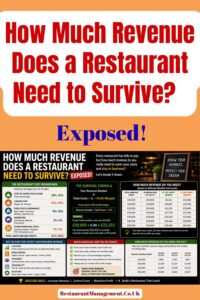
As a general rule, many independent restaurants typically need somewhere between £12,000 and £30,000 in monthly revenue to cover their basic running costs. Medium-sized restaurants offering a full dining experience usually require around £30,000 to £80,000 per month. At the same time, larger venues in busy, high-demand locations with bigger teams can need even more than that.
Of course, these figures aren’t fixed. Costs can vary a lot based on factors like rent, staff pay, menu prices, customer numbers, and how well you manage your business each day. Instead of comparing your numbers to other restaurants, focus on understanding your own break-even point. Regularly check your financial performance over time.
What Does “Surviving” Actually Mean?
Success in the restaurant business can mean different things for different owners. For some owners, simply staying open, paying their bills on time and paying themselves a salary is enough to feel successful. For others, success means earning enough money to grow their business or make their restaurant look better. A restaurant is considered to be surviving when it earns enough to cover its expenses without going into significant debt.
A key part of survival is reaching the break-even point. This is when the money coming in equals the money going out, so the restaurant is neither losing nor making money. While reaching this point is important, it is not the only goal. A good restaurant also needs to make enough profit to replace old equipment, fund advertising, train staff, cover unexpected costs, and save money for slower times or economic downturns.
A restaurant should also make a good return for its owner. Many owners put their early profits back into the business to help it grow. But over time, the restaurant should earn enough money to make all the risks, money spent, and hard work worth it. Finding this balance requires smart financial planning that looks beyond just making more money.
The Formula: How Much Revenue Does Your Restaurant Need?
Calculating the revenue your restaurant needs starts with understanding your costs. Every restaurant has fixed costs, which remain relatively stable each month, and variable costs, which vary with sales volume. Once these expenses are identified, you can calculate the minimum revenue required to remain financially viable.
A simple way to understand how to calculate the money you need is:
Needed Money = Constant Costs + Changing Costs + Planned Profit
Constant costs are things you pay for that don’t change, like rent, insurance, business taxes, equipment leases, software subscriptions, and loan payments. These costs usually stay the same no matter how many customers come to your restaurant. Variable costs, on the other hand, increase as sales increase and typically include food ingredients, beverages, packaging, payment processing fees, and some labour costs.
Understanding these costs allows restaurant owners to make informed pricing decisions and set realistic sales targets. If running a restaurant becomes more expensive due to inflation, higher supplier prices, or higher wages, the restaurant can take a few steps to manage the situation. It can try to earn more money, work more efficiently, carefully raise the prices on the menu, or reduce unnecessary expenses. Regularly looking at financial reports can help identify problems early, before they become serious issues for the restaurant’s future.
It’s important to understand that revenue should not be looked at alone. Successful restaurants aim to make money by having good sales while also managing their costs carefully. One key tool for restaurant owners is knowing their break-even point. This is the point where sales cover all costs, and it helps owners check how well their restaurant is doing every day, week, and month.

Average Monthly Restaurant Expenses
Before you can determine how much revenue your restaurant needs to survive, you must understand where your money goes. Every pound earned through food and drink sales is allocated to various operating expenses, many of which are unavoidable. Successful restaurant owners monitor these costs closely because even small increases in costs and expenses can have a significant impact on profitability.
While every restaurant has a unique cost structure, industry benchmarks provide a useful starting point. The percentages below represent common targets rather than fixed rules, and actual figures will vary enormously depending on the type of restaurant, location, and business model.
| Expense Category | Typical Percentage of Revenue |
| Food and beverage costs | 25–35% |
| Labour costs | 25–35% |
| Rent and occupancy | 6–12% |
| Utilities | 2–5% |
| Marketing | 2–5% |
| Insurance | 1–3% |
| Repairs and maintenance | 1–3% |
| Miscellaneous operating expenses | 5–10% |
Food and labour are usually the highest costs for restaurants, often making up over half of their total revenue. For this reason, restaurants that keep track of their supplies, waste less food, and manage their staff schedules well are more likely to make a profit. When costs are under control, the money earned can turn into real profits instead of just covering higher expenses.
RELATED IMAGE
Fixed Costs vs Variable Costs
A common mistake for new restaurant owners is focusing only on how much money they make and neglecting their costs. Some costs, like rent and insurance, stay the same no matter how many customers you have. It’s important to know these costs to create a good budget. Understanding these things will help you manage your money well and make your restaurant successful! Whether your restaurant serves 20 guests or 200, these bills usually remain unchanged, aiding more reliable financial planning.
Variable costs fluctuate with business activity, making it essential for owners to understand how these costs behave. Every additional customer increases spending on ingredients, beverages, packaging, payment processing fees, and often labour. Although higher sales increase these costs, they should also improve profitability provided your pricing and margins remain healthy. Recognising the difference between fixed and variable expenses helps owners forecast cash flow more accurately and make informed operational decisions throughout the year.
How Much Revenue Different Restaurant Types Typically Need
Not every restaurant requires the same level of revenue to remain financially healthy. Running a restaurant well depends on what kind of restaurant it is. Different types, like coffee shops, fast-food places, regular restaurants, and fancy restaurants, all have different ways of making money. This is based on how they work, who their customers are, and how they serve food.
Coffee Shops and Small Cafés
Small coffee shops and cafés are usually smaller and hire fewer people, which helps keep their costs down. However, they need many customers coming in regularly, since each customer spends less. To stay financially healthy, these shops focus on keeping customers coming back, increasing each customer’s spend by offering more food and drinks, and carefully controlling costs such as labour and ingredients.
Fast Food and Quick-Service Restaurants
Fast food places are designed to serve food quickly and efficiently. They focus on a simple menu and quick service to attract many customers. These restaurants can make good money even though each customer spends less. The key to their success is to keep the kitchen running smoothly, have a straightforward menu, and bring in as many customers as possible during their open hours.
Full-Service Restaurants
Full-service restaurants need to earn more money because they have higher costs due to more staff and a complete dining experience. They offer table service and have more complicated menus, which increases their costs. For these restaurants to succeed, they must keep their tables full while managing their labour and food costs without lowering the quality of their service.
Fine Dining Restaurants
Fine-dining restaurants incur the highest costs because they use high-quality ingredients and require skilled staff to deliver a luxurious dining experience. Customers at these restaurants usually spend a lot of money. These places need to have regular bookings and keep a good name to succeed. To do well over time, they must manage high costs and continue attracting customers seeking unique dining experiences.ations and excellent reputation management to remain financially successful over the long term.

Example: Calculating Your Restaurant’s Break-Even Revenue
Understanding your break-even point transforms financial management from guesswork into informed decision-making. Rather than hoping sales will cover expenses, restaurant owners can calculate the minimum revenue required each month before the business begins generating profit.
Imagine a restaurant with the following monthly expenses:
- Rent: £3,500
- Payroll: £12,000
- Food and beverage costs: £9,000
- Utilities: £900
- Insurance: £500
- Marketing: £800
- Miscellaneous expenses: £1,300
This restaurant needs to make around £28,000 each month to pay its bills. Any money earned over this amount can be used for profits, buying new things, paying off debts and taxes, or giving some to the owners. If the restaurant regularly makes less than £28,000, it might have money problems unless it can cut costs or find new ways to earn more money.
This example makes things easier to understand, but it shows how important it is for each restaurant to find its own break-even point using its own numbers. Instead of just looking at what others in the industry do, each restaurant needs to know its own situation. Managing money and checking finances regularly are very important. This helps restaurants make better decisions about pricing, staff, and buying supplies.
How Much Revenue Does a Restaurant Need Each Day?
Setting monthly revenue goals is important for predicting financial performance, but having daily sales goals is often more helpful for restaurant managers. By breaking down yearly and monthly targets into daily numbers, managers can keep track of important performance metrics every day and quickly fix any differences between actual sales and expected sales.
For example, if a restaurant wants to make £30,000 in a month with 30 days of operation, it needs to earn about £1,000 each day to reach that goal. If a restaurant closes one or two days a week, it will need to earn more money each day to make up for the days it is not open.
Daily revenue goals help managers decide how many staff members they need, see how well promotions are working, and understand changes in sales during different seasons. By knowing the daily break-even point, management can organise marketing campaigns or special offers during slow times, which can help prevent short-term revenue problems from becoming long-term financial issues.
Here’s The Most Profitable Restaurant Model In The UK Right Now
Weekly Revenue Benchmarks
Many restaurant owners and managers review their restaurant performance weekly because it provides a clearer picture than individual trading days. Weekends often outperform weekdays, while holidays and seasonal events can significantly influence revenue patterns. Monitoring weekly performance helps identify trends without reacting to isolated fluctuations.
For example:
- Monthly revenue target: £20,000
- Approximate weekly target: £4,600
- Daily average (seven-day trading): £660
Tracking weekly revenue alongside customer numbers, average spend, labour costs, and food cost percentages provides a balanced view of business performance. Over time, these metrics become invaluable for forecasting demand, managing cash flow, and making strategic decisions that support long-term sustainability.
How Average Spend Per Customer Affects Revenue
Understanding how average spend per customer impacts revenue can help you make better decisions to help your restaurant succeed. One of the simplest ways to understand how much revenue your restaurant needs is to calculate the average amount each customer spends. To do this effectively, track your average spend per customer regularly, which is often called the average ticket value. This figure helps restaurant owners and managers estimate how many customers they need each day to reach their revenue targets and monitor changes over time.
To show how customer numbers relate to spending, let’s look at an example from a restaurant. Imagine the restaurant wants to make £1,000 in one day. If each customer spends an average of £25, the restaurant needs about 40 customers to reach that goal. However, if the average spending increases to £40, then only 25 customers are needed to reach the same goal. Some restaurant owners are concerned that trying to sell more might upset customers. However, if done carefully, encouraging customers to spend a bit more can actually improve their experience and increase profits without making them unhappy. This example shows that increasing how much each customer spends is very important for making more money, just like getting more customers is important.
Several factors can affect how much people spend, such as menu prices, drink profitability, dessert options, side dishes, and how well the staff can suggest extra items to customers. To increase customer spending, restaurants can use innovative ideas like special combo meals, recommending tasty drinks, or suggesting the restaurant’s delicious desserts! Encouraging guests to enjoy appetisers and extra dishes can make their visit more enjoyable and help increase sales! It’s not just about getting more customers; it’s about improving the dining experience and offering helpful menu suggestions that increase check averages.

Why Profit Margins Matter More Than Revenue
When we see a restaurant making a lot of money, it can seem really impressive. But just because a restaurant has high sales numbers, it doesn’t mean they are doing well financially. A restaurant might earn a lot each year—sometimes hundreds of thousands of pounds—but if their costs are too high, they can end up losing money. That’s why experienced restaurant owners pay more attention to profit margins instead of just focusing on how much money they bring in.
Profit margin is what a restaurant keeps after paying all its bills. In the restaurant business, profit margins are often quite low, usually only a few per cent of sales, which can be surprising given how much money they make. This low profit is mainly due to many expenses they have to cover, like buying food, paying workers, and fixed costs such as rent, utilities, insurance, maintenance, and taxes.
It’s easy to assume that a restaurant taking £20,000 a week is performing better than one taking £10,000 a week. However, revenue only tells you how much money is coming into the business—it doesn’t tell you how much is left after the bills have been paid.
Consider these two restaurants.
Restaurant A
Restaurant A generates £50,000 in monthly revenue.
Its monthly expenses are:
- Food and drink costs: £15,000
- Staff wages: £18,000
- Rent and business rates: £8,000
- Utilities, insurance, marketing and other overheads: £7,000
Total monthly expenses: £48,000
Monthly profit: £2,000
Although Restaurant A has impressive sales, it only keeps 4% of its revenue as profit.
Restaurant B
Restaurant B generates £35,000 in monthly revenue.
Its monthly expenses are:
- Food and drink costs: £9,000
- Staff wages: £10,500
- Rent and business rates: £4,000
- Utilities, insurance, marketing and other overheads: £7,000
Total monthly expenses: £30,500
Monthly profit: £4,500
Despite generating £15,000 less revenue each month, Restaurant B earns more than twice the profit. Its net profit margin is approximately 13%, making it a far healthier business financially.
| Restaurant A
Monthly Revenue £50,000 Monthly Expenses £48,000 Monthly Profit £2,000 Net Profit Margin 4% |
Restaurant B
Monthly Revenue £35,000 Monthly Expenses £30,500 Monthly Profit £4,500 Net Profit Margin 13% |
This example shows why experienced restaurant owners and managers focus on profitability rather than revenue alone. A busy restaurant with high sales can still struggle if labour, food, or rent costs are too high. On the other hand, a restaurant with lower sales but tighter cost control may generate stronger profits, healthier cash flow, and have more money available to reinvest in the business.
Ultimately, revenue keeps a restaurant operating, but profit is what allows it to grow, replace equipment, weather quieter trading periods, and reward the owner for their investment.
This example uses realistic UK restaurant cost percentages that align with common industry benchmarks:
- Food costs: approximately 25–35% of revenue
- Labour costs: approximately 25–35%
- Occupancy costs (rent and rates): approximately 6–12%
- Other operating expenses: approximately 10–20%
Having good profit margins is important because it gives restaurants the money they need to invest in things like new equipment, renovations, training staff, and dealing with unexpected problems. Restaurants that make very little money or just manage to stay open have many problems. They often find it hard to handle rising food prices, times when many people don’t come in, and surprise repairs that need to be fixed. To keep their finances strong, it’s very important for these businesses to maintain healthy profit margins. This means they should manage their costs well and run their operations smoothly instead of just trying to increase sales.

The Biggest Factors That Determine Whether a Restaurant Survives
Every restaurant is different, but some important things help them succeed over time. Knowing these things helps owners make good choices that can increase their sales and profits.
Location
Where a restaurant is located is very important for how well it does. Restaurants in busy places, such as city centres, shopping areas, or tourist spots, usually see more visitors and are easier to find. But being in these popular places often means paying high rent and business costs.
In contrast, restaurants in quieter local or rural areas may have fewer customers, but rent is usually lower, which can help offset lower sales. To be successful, restaurant owners should choose their restaurant style based on what the local community likes and what people want, while being mindful of costs and the revenue they can expect.
Labour Costs
Having the right number of staff is very important for good customer service in restaurants. Having too many employees can reduce profits. If there are too few, customers may have to wait longer and could get unhappy.
To prevent these issues, good managers often review staff work schedules to ensure employee hours align with peak customer traffic. By looking at past sales data, restaurants can see when they have many customers and when they have fewer. This information helps managers get ready for busy times, so they can serve customers well and also control their staff costs.
Food Cost Control
Every ingredient you buy can change how much money a restaurant makes. If restaurants don’t control how much food they serve, waste too much food, don’t manage their stock properly, or if suppliers raise their prices, it can hurt their profits.
To keep food costs in line, restaurants can conduct regular stock checks, calculate recipe costs, keep serving sizes consistent, and be careful when buying ingredients. Updating the menu with seasonal items and reviewing suppliers can also help them increase revenue without sacrificing food quality.
Menu Pricing
Pricing is very important for making money and for how customers think about a restaurant. If prices are too low, they might attract customers, but the restaurant might not make enough to cover costs. On the other hand, if prices are too high, customers might not come back if they feel they are not getting good value for their money.
Successful restaurants often check their menu prices, ingredient costs, what other restaurants are charging, and what customers expect. Making small, careful changes to prices is usually easier for customers to accept than making big changes all at once.
Customer Experience
Excellent food alone rarely guarantees success. Guests increasingly value friendly service, clean surroundings, efficient operations, and a welcoming atmosphere. Positive dining experiences encourage repeat business, favourable online reviews, and word-of-mouth recommendations, all of which contribute to sustainable revenue growth.
Retaining existing customers is often considerably more cost-effective than constantly acquiring new ones. Restaurants that always create great experiences make customers want to come back. This helps the restaurant earn a steady income year-round.
Seasonality and Economic Conditions
Not every restaurant has the same number of customers all year long. Things like school holidays, holidays like Christmas, tourism, weather changes, and local events can all change how many people come in. Also, when the economy is not doing well, like during times of high prices or when people feel unsure about their money, this can change how much money people are ready to spend.
Successful restaurant owners plan for slower times by carefully managing their finances during busy months. By saving extra money, they can keep their business running smoothly even when there are fewer customers for a while.
Warning Signs That Revenue Is No Longer Enough
Restaurants usually don’t fail all of a sudden. Instead, money problems often start slowly, with signs appearing before things get really bad. If restaurant owners notice these signs early, they can take steps to fix the issues before money problems put their business at risk.
Here are some common warning signs to watch for:
– Cash flow is declining, even though sales are steady.
– It is difficult to pay suppliers on time.
– There is a growing reliance on overdrafts or short-term loans.
– Payroll issues happen regularly.
– There is more food waste and unexplained stock losses.
– Fewer customers are visiting and spending less money.
– Negative online reviews are increasing.
– Maintenance is being postponed, and equipment replacement is delayed.
Not one issue alone usually means a restaurant is in serious financial trouble. Still, if several problems occur at the same time, it’s a good idea to check the restaurant’s finances carefully. Keeping track of important numbers—such as how much money is coming in, the percentages of food and labour costs, how much each customer spends on average, and the overall profit—can help spot issues early. This information can help make better decisions.
Ultimately, sustainable restaurants do more than generate revenue. They regularly turn sales into solid profits and keep their cash flow strong. They also provide great experiences for their customers and adapt well to changes in the market. Business owners who know how these financial aspects work are more prepared to handle difficulties and build successful businesses that last for many years.
How to Increase Restaurant Revenue Without Sacrificing Profit
Growing revenue isn’t always about attracting more customers. In many cases, the biggest gains come from making better use of the customers who already walk through your doors. Restaurants that focus on becoming more efficient, getting customers to spend more, and encouraging them to come back often do better financially than those that spend heavily on marketing alone.
The best way to grow is to increase both income and profits. Simply making more sales while also raising costs usually doesn’t help the business. Successful restaurant owners find ways to increase revenue with what they already have while maintaining good service and food quality.
Encourage Higher Average Spending
One quick way to make more money is to get each customer to spend a little more when they visit. This doesn’t mean pushing them to buy more; instead, it’s about giving them real value with helpful suggestions.
Think about encouraging:
- Starters before the main course.
- Desserts after the meal.
- Premium beverages.
- Signature cocktails.
- Wine pairings.
- Side dishes and sharing platters.
- Seasonal specials.
Well-trained front-of-house staff can make recommendations naturally, helping guests enhance their dining experience while increasing the average transaction value.

Optimise Your Menu
Your menu is one of the most powerful sales tools in the business. Regularly reviewing menu performance helps identify dishes that are consistently popular and profitable, as well as those that generate little demand or lower margins.
Menu engineering involves analysing both popularity and profitability before deciding which dishes deserve greater prominence. Removing dishes from your menu that don’t sell well can make running the kitchen easier, help reduce wasted food, and improve how we keep track of supplies. Highlighting dishes that make more profit through smart menu design can encourage customers to choose these options without being too forceful.
Build Customer Loyalty
Getting new customers often costs considerably more than encouraging an existing guest to return. Restaurants that develop loyal customer bases generally enjoy more consistent revenue throughout the year and are less vulnerable to fluctuations in demand.
Simple ways to build loyalty include:
- Delivering consistently excellent service.
- Remembering returning guests.
- Offering seasonal menus.
- Collecting customer feedback.
- Rewarding repeat visits.
- Communicating through email newsletters or social media.
- Hosting themed evenings or special events.
Satisfied customers also become ambassadors for your business, recommending your restaurant to friends, family, and colleagues while leaving positive online reviews that influence future diners.
Reduce Waste to Protect Revenue
Making money is important, but keeping the money you already have is just as important. Things like throwing away too much food, poor stock management, overbuying, and inefficient food preparation can hurt your profits, even if you are selling a lot.
To increase your profits, review your inventory regularly. Use correct predictions for what you will need. Stick to recipes, and be careful with portion sizes. Keep track of how much food you throw away; this will help you see your buying habits and how well your menu is doing. This information can help managers make better choices and run the business more smoothly.
Common Mistakes That Hurt Restaurant Revenue
Even busy restaurants can have money problems when they don’t notice simple mistakes. Knowing these common problems can help owners make better choices and keep their businesses strong over the long term.
Some of the most frequent mistakes include:
- Confusing revenue with profit.
- Ignoring rising food costs.
- Overstaffing during quiet periods.
- Underpricing menu items.
- Failing to review supplier contracts.
- Neglecting customer feedback.
- Poor inventory management.
- Delaying necessary menu price reviews.
- Relying too heavily on discounts.
- Not monitoring key financial reports regularly.
To avoid these mistakes, you need to be disciplined rather than make things too complicated. Successful operators routinely review their financial performance, compare results against budgets, and make small adjustments before minor issues become major problems.
Related Articles:
Restaurant Budgeting: How to Build a Profitable Financial Plan
Restaurant Food Cost Percentage Formula: How to Calculate and Increase Profits
Restaurant Margins – The Ultimate Guide to Boosting Revenue & Efficiency
Uncover The Hidden Restaurant Cost Breakdown for Growth
Profit Margins by Restaurant Type: How to Maximise Your Profitability
Frequently Asked Questions
How much revenue should a small restaurant make?
Every restaurant business is different, so there isn’t a single standard amount that works for everyone. A small restaurant should earn enough to cover all its costs, keep cash coming in, and make a profit. How much money that is can vary based on factors like rent, staff pay, menu prices, and the restaurant’s location.
How do I calculate my restaurant’s break-even revenue?
Start by adding together all fixed monthly expenses, including rent, insurance, loan repayments, and salaries. Then estimate your variable costs, such as ingredients and payment processing fees. Your break-even revenue is the amount of sales needed to cover these costs before any profit is made.
Is revenue the same as profit?
No. Revenue is the total income generated from sales before expenses are deducted. Profit is what remains after all operating costs, taxes, and other expenses have been paid. A restaurant can generate substantial revenue while making very little profit if costs are not carefully managed.
What is more important: increasing revenue or reducing costs?
Both matter. Increasing revenue creates growth opportunities, while controlling costs protects profitability. The strongest restaurants focus on striking a healthy balance between the two by improving efficiency, maintaining quality, and regularly monitoring financial performance.
Why do some busy restaurants still fail?
A full dining room does not always translate into financial success. High labour costs, excessive rent, poor stock management, low pricing, food waste, and weak cash flow can all prevent a busy restaurant from making sustainable profits.
Read Further
If you found this guide helpful, you may also be interested in:
- Restaurant Profit Margins Explained
- How to Calculate Food Cost Percentage
- Menu Engineering: Increase Profit Without Raising Prices
Together, these topics provide a complete understanding of restaurant finance and form a valuable knowledge base for owners, managers, and anyone planning to open a food business.
Conclusion
Understanding how much revenue a restaurant needs to survive is one of the most important aspects of running a successful hospitality business. While there is no universal revenue target, every restaurant must generate enough income to cover operating expenses, maintain healthy cash flow, invest in future growth, and produce a sustainable profit. Simply increasing sales is rarely enough if rising costs erode margins.
Successful restaurant owners understand their numbers. They know their break-even point, monitor food and labour costs, review pricing regularly, and adapt to changing market conditions. Instead of just trying to make money, they work on creating strong and stable restaurant businesses that turn sales into profits.
If you’re starting your first café, running a busy restaurant, or growing a well-known hospitality business, understanding your money goals will help you make better choices with confidence. By setting realistic money targets, keeping costs under control, and providing great service to customers, you’ll put your restaurant in a much better place to survive, grow, and succeed for many years.