


Restaurant Cost Breakdown
The guide uncover the hidden restaurant cost breakdown for growth in the UK hospitality industry. Understanding the costs of running a restaurant in the UK is crucial to its success. If you don’t know how your money flows, your restaurant might struggle to stay open. The guide clearly explains all the different costs. It helps restaurant owners better understand their expenses and find ways to keep making a profit.
Key Takeaways: Restaurant Cost Breakdown
- Most UK restaurants spend 60–80% of revenue on core costs
- Biggest expenses: labour, food, and rent
- Typical profit margins are low (3–10%)
- Poor cost control is the #1 reason restaurants fail
- Understanding your restaurant cost breakdown UK helps you stay profitable
What Is a Restaurant Cost Breakdown?
A restaurant cost breakdown shows exactly where your money goes when running a restaurant.
It splits your expenses into two simple groups:
- Fixed costs = costs that stay the same (rent, insurance)
- Variable costs = costs that change (food, staff hours)
In the UK, costs are higher than many countries because of:
- Strict regulations
- High rent (especially in London)
- Rising wages and energy prices
That’s why knowing your numbers is critical.
Startup Costs in a Restaurant Cost Breakdown UK
Starting a restaurant in the UK isn’t cheap.
A basic setup might cost £20,000, while a full service restaurant in London can exceed £500,000+.
Here’s a simple breakdown:
| Startup Cost | Estimated Range |
| Lease deposit | £5,000 – £50,000 |
| Renovation & fit-out | £10,000 – £250,000 |
| Equipment | £5,000 – £100,000 |
| Licenses & permits | £500 – £5,000 |
| Insurance | £1,000 – £5,000 |
These costs vary depending on size, location, and concept.
Restaurant Fit-Out Costs UK Breakdown
Fit-out is where most of your startup money goes.
This includes:
- Interior design
- Seating and furniture
- Lighting and decor
- Branding and signage
Typical UK fit-out costs:
- £500–£2,000 per square metre
If you overspend here, it can take years to recover.
Equipment Costs in Restaurant Cost Breakdown UK
Running a restaurant in the UK requires the right kitchen equipment to operate smoothly and prepare good food. Here is a list of the equipment you will need along with its costs:
– Commercial ovens and stoves
– Refrigerators, like big walk-in coolers and smaller fridges
– Dishwashing machines and sinks
– Food preparation tools, like food processors and mixers
– Different cooking utensils and tools
– Worktables and shelves to keep the kitchen organised
– Point of Sale (POS) systems to help run the business smoothly
Expect to spend: £5,000–£100,000 depending on scale
Buying high-quality equipment can help your restaurant operate more efficiently and meet health standards, making it an important part of your budgeting in the restaurant business. Also, buying quality used equipment can cut costs significantly.

Fixed Costs in Restaurant Cost Breakdown UK
Fixed costs are expenses that remain the same each month and change little. These costs are necessary and must be paid, no matter how well the restaurant is doing or how much money it makes.
Key fixed costs:
- Rent
- Business rates
- Insurance
- Licenses
- Loan repayments
These usually take up 30–50% of revenue.
Restaurant Rent Costs UK
Rent is often the biggest fixed cost.
Here’s what to expect:
- London: Extremely high
- Smaller cities: More manageable
Rule of thumb:
- Keep rent at 6–10% of revenue
Anything higher can kill your profits.
Business Rates and Taxes UK Restaurants
In the UK, business rates are a tax that businesses, such as restaurants, must pay based on the property they use. If you want to learn more about business rates, you can visit the official government website: Business Rates Information.
Restaurants also need to understand other important taxes that can greatly impact their finances:
- Value Added Tax (VAT): This tax is typically set at 20% and is applied to most goods and services that people purchase.
- Employer National Insurance Contributions (NICs): These are required payments that employers make based on how much their employees earn. These contributions help fund social services and pensions.
- Corporation Tax: This tax is imposed on companies based on their profits, with varying rates depending on the amount of money they earn.
Restaurant owners need to plan their finances carefully because of the many taxes they face. By closely examining their income and expenses, they can use their funds wisely and comply with the law. This careful planning helps them stay profitable and shows that they are committed to doing business the right way.
Restaurant Business Plan Template: That Will Make You Money 2026
Variable Costs in Restaurant Cost Breakdown UK
Variable costs in a UK restaurant can vary significantly depending on how busy it is. Here are the main parts of these variable costs:
– Food (Ingredients): The cost of ingredients can change a lot. This can happen because of changes to the menu, what foods are available in different seasons, and how much suppliers charge.
– Staff Wages: The amount spent on staff wages in a restaurant largely depends on customer traffic. During peak hours, additional staff are needed, which increases wage expenses. Effective scheduling is essential to help managers run the restaurant well, empower staff to deliver excellent service, and maintain service while controlling costs.
– Utilities: Utility bills for water, electricity, and gas fluctuate based on the restaurant’s customer traffic. As more diners walk through the door, these costs tend to rise, so monitoring business volume can help managers feel more in control and proactive in expense management.
– Marketing: Expenditures on marketing, such as advertisements and promotions, tend to rise as more customers come through the door, particularly during peak periods or special occasions. To better predict these costs, restaurant owners and managers should analyse past campaign performance and seasonality trends, enabling more accurate budgeting and resource allocation.
– Delivery Platform Fees: Fees for using delivery services depend on the number of online orders. When more orders come in, these costs go up.
Overall, variable costs typically account for 50–70% of a restaurant’s expenses. Recognising this helps restaurant owners and managers feel more confident in controlling costs and improving profitability through informed planning.

Food Cost Percentage UK Restaurants
Food cost means the total money spent on buying ingredients. In UK restaurants, food costs typically account for 25% to 40% of total sales.
To better manage food costs, here are some simple ways to help:
1. Reduce Waste: Use tracking systems to keep an eye on ingredients and manage inventory. This helps to cut down on spoiled food and waste, which can save money.
2. Negotiate Better Terms With Your Suppliers: Build good relationships with suppliers. By sharing information and working together, you can negotiate better prices, which helps lower your buying costs.
3. Simplify the Menu: Make the menu simpler by offering fewer items. This can help manage ingredients more effectively and make it easier to control costs.
Keeping a close watch on food costs is crucial for your restaurant’s success. When food costs rise too high, they can reduce profits and impact your business’s sustainability.

Labour Costs UK Restaurant Breakdown
In the UK, restaurants spend a large share of their money on paying their workers and related costs. This usually takes up about 25% to 35% of all the money they make. Paying staff is very important for running a restaurant and involves various factors that affect these costs. Here are some important points about what adds to the total expenses of hiring and managing workers:
- Basic pay for employees
- Following the law, like paying at least the National Minimum Wage
- The restaurant must add money to employee pension plans
- Pay for holidays and time off
Key elements that drive these costs up include:
- Wages and Salaries: The biggest expense is the money paid to the kitchen workers, servers, bartenders, and managers. If minimum wage laws change, it can also have a big impact on these costs.
- Staffing Levels: The number of employees needed varies with customer demand, affecting both costs and service quality. Proper staffing ensures efficiency and customer satisfaction.
- Training and Development: Spending money on training workers is very important to keep the service and food quality high. However, this also means higher costs for workers. Hiring and training new staff can add to the budget.
- Employee Benefits: Beyond basic pay, employers often give workers important benefits like health insurance, retirement plans, and paid time off. These benefits increase the total cost of having employees.
- Overtime Pay: When restaurants get very busy, they might ask workers to stay longer and work overtime. This extra time is usually paid at a higher rate, which can significantly increase labour costs if not handled properly.
- Employee Turnover: In the hospitality industry, many workers change jobs frequently. This means that restaurants and hotels have to spend more money to hire and train new employees.
Knowing these things is very important for restaurant owners to effectively manage labour costs, improve operational efficiency, and maintain service quality.
If restaurants do not plan their staff schedules well, it can lead to higher labour costs. Effective scheduling helps restaurant owners feel in control and confident in their ability to increase profits and work efficiently.
Profit Margins by Restaurant Type: How to Maximise Your Profitability
Hidden Costs in Restaurant Cost Breakdown UK
Profit Margins in Restaurant Cost Breakdown UK
Restaurant profit margins are tight.
Most UK restaurants make:
- 3–10% net profit
Here’s the reality:
- High-end restaurants → lower margins
- Takeaways → higher margins
- Poor cost control → no profit
To improve margins:
- Increase menu prices strategically
- Reduce waste
- Optimise staffing
Small changes = big impact.
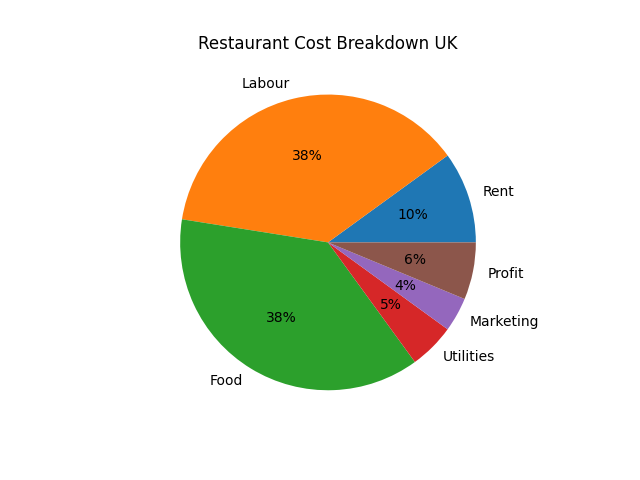
Example Restaurant Cost Breakdown UK (Table)
Here’s a simple breakdown of where money typically goes:
| Cost Category | % of Revenue |
| Rent | 6–10% |
| Labour | 25–35% |
| Food | 25–40% |
| Utilities | 3–5% |
| Marketing | 2–5% |
| Profit | 3–10% |
This is a realistic snapshot of a restaurant cost breakdown.
How to Reduce Restaurant Costs UK
Cutting costs doesn’t mean cutting quality.
It means being smarter.
Here’s how:
- Negotiate better supplier deals
- Reduce menu size
- Track inventory properly
- Use energy-efficient appliances
- Automate bookings and orders
Even saving 5% can double your profit.
Is Owning a Restaurant Profitable in the UK?
Yes — but it’s not easy.
Restaurants can be profitable if:
- Costs are controlled tightly
- Pricing is done correctly
- Demand is consistent
But many fail because they ignore their restaurant cost breakdown.
It’s a tough business, but smart operators win.
RELATED ARTICLES:
Profit Margins By Restaurant Type
Restaurant Business Plan Template
How To Make A Profit In Your Restaurant
Profitable Restaurant Operation
FAQs: Restaurant Cost Breakdown UK
How much does it cost to open a restaurant in the UK?
Starting a restaurant in the UK can cost a lot of money, usually between £20,000 and £500,000 or more. The cost can vary based on a few factors, such as the size of the restaurant, the type of food it serves, and its location.
What is the biggest cost for UK restaurants?
In the UK restaurant industry, the main costs are usually labour and food. Together, these two costs can account for about 50–70% of a restaurant’s total revenue. This shows how much these expenses can affect the restaurant’s profits.
What percentage of revenue should rent be?
Rent should ideally stay between 6% and 10% of your revenue to remain sustainable. It’s important to keep your finances strong, and a good guideline is not to spend more than 10% of your total income on rent. This approach helps you manage your money wisely and keeps your business stable.
How much profit do UK restaurants make?
In the UK, restaurants usually make a profit of about 3% to 10% after paying their bills. This means that if a restaurant sells £100 worth of food, it keeps between £3 and £10 as profit. These small profits show how hard it can be to run a restaurant. There are many costs to manage, like buying food, paying workers, and covering rent and utility bills. Restaurants also deal with changing customer demand and competition, which can make it hard to stay financially stable. Because of these expenses, it can be difficult for restaurants to make large profits, which is why the margins are on the lower side.
Can you start a restaurant with a low budget in the UK?
Yes, but it usually means starting small. Starting a restaurant in the UK with a small budget is possible, but it often means using simpler business ideas. Here are some practical options to think about:
1. Food Trucks: Running a food truck is a low-cost way to enter the food market. Food trucks have much lower expenses than regular restaurants. They can move to busy places where lots of people are, helping to attract customers. Also, food truck menus can be updated quickly to keep up with new food trends and customer preferences.
2. Takeaway Services: Focusing on takeaway food means you only sell meals for people to eat at home. This way, you don’t need to provide seating and dining areas, which saves money when starting up. You can start cooking at home and sell to people nearby, or use delivery apps to reach more customers.
3. Pop-up Restaurants: A pop-up restaurant is a temporary place to eat that can be set up in unique spots, like community centres or by partnering with existing restaurants. This method is a low-cost way to try out new dishes and build your brand. It can attract media and public attention while keeping costs down.
These ideas help reduce the initial capital required and daily operating costs, making it easier to start a business in the competitive food industry without spending too much.